


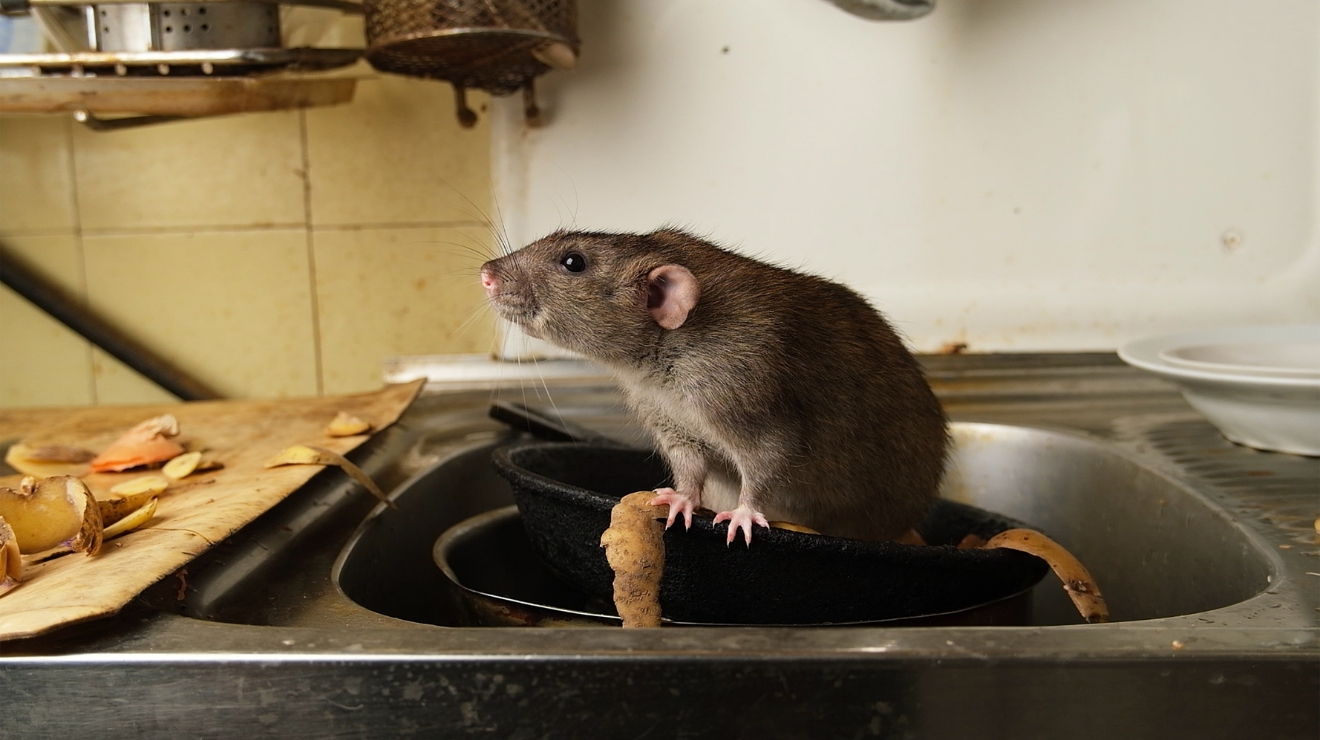
Rats and mice may move toward Temecula homes before Thanksgiving as cooler nights increase the value of sheltered garages, attics, walls, and storage areas. Seasonal food storage, pet supplies, fallen fruit, and quiet nesting materials can strengthen the attraction. Bug Freedom Pest Control provides rodent control in Temecula when homeowners hear scratching, find droppings, notice gnawing, or discover disturbed storage.
Rodents Search for Stable Shelter Early
Rodents do not wait for the coldest night of winter to explore a structure. They investigate openings and sheltered routes as outdoor conditions change. A garage, attic, shed, or wall void offers protection from temperature swings, rain, predators, and frequent disturbance.
Once a rodent finds reliable shelter, it may return along the same path. Dark edges, fences, block walls, branches, rooflines, and utility routes can guide movement. Early signs may appear weeks before a homeowner hears regular nighttime noise.
Thanksgiving Food Changes the Indoor Environment
Holiday grocery trips bring flour, sugar, cereal, baking supplies, snacks, and bulk packages into kitchens and pantries. Overflow may be stored in a garage or utility room. Thin bags and cardboard packages are easier for rodents to damage than rigid containers.
Inspect food before storage and transfer vulnerable dry goods into sealed containers. Keep backup groceries on shelving instead of the floor. Clean spills promptly and rotate older products forward. A package with a small hole, scattered crumbs, or tooth marks should be isolated and inspected.
Pet Food, Bird Seed, and Fruit Add Exterior Attraction
Large bags of pet food or bird seed are often kept in garages. Rodents can chew through paper and some plastic packaging. Food left in a pet bowl overnight also supplies a predictable meal.
Use durable containers with secure lids and clean scattered pieces around them. Collect fallen citrus or other fruit, secure trash, and maintain compost correctly. These actions do not replace rodent control once animals are inside, but they reduce competing food sources and clarify where activity continues.
Garages Provide Easy First Access
Garage-door corners, worn seals, side doors, vents, and utility penetrations can provide entry. A door left open during unloading gives a rodent another opportunity. Once inside, shelving, boxes, appliances, and stored fabric create cover.
Look for droppings along walls, gnawing on packages, shredded paper, rub marks, and disturbed items. Keep floor edges visible and move cardboard to recycling. Avoid reaching behind heavy storage without lighting and gloves if signs are present.
Attics and Rooflines Offer Quiet Nesting Areas
Roof rats can use fences, trees, vines, and exterior features to reach upper parts of a home. Gaps at roof returns, vents, eaves, or utility lines may provide access. Attics offer insulation and long periods without human activity.
Do not climb onto a roof or enter a confined attic without proper safety equipment and experience. Listen for movement after dark and note the location. A technician can inspect accessible areas and compare indoor signs with exterior routes.
Rodent Signs Can Appear Before You See an Animal
Droppings, gnaw marks, scratching, shredded nesting material, odors, grease-like rub marks, and damaged insulation can reveal activity. The size and location of droppings may provide clues, but photographs and professional inspection are safer than handling them.
Avoid dry sweeping or vacuuming droppings. Keep children and pets away from contaminated areas and ask for appropriate cleanup guidance. Sanitation and control should be planned together so the home is not cleaned repeatedly while active rodents continue using the space.
Entry Work Must Follow an Activity Review
Sealing gaps is an important part of prevention, yet timing and materials require care. Closing a route while rodents remain inside can trap them in walls or living areas. Some openings also serve ventilation or drainage functions.
Bug Freedom’s Temecula pest control team inspects for current signs, likely travel routes, entry areas, and attractants before recommending prevention steps. The goal is to reduce existing activity and make future entry harder without creating new building problems.
Prepare the Home Before Guests and Cooking Begin
Thanksgiving week is busy, which makes early action helpful. Check pantry shelves, garage food storage, trash areas, and quiet corners before guests arrive. Clean beneath appliances and keep exterior doors closed during unloading.
If you find signs, avoid moving contaminated boxes into another room. Document the location and contact a professional. Rodents can damage food packaging and create sanitation concerns, so discard affected food according to appropriate safety guidance.
Outdoor Routes Lead Rodents Toward the Structure
Fences, block walls, dense shrubs, vines, and branches can guide rodents through a property. Ground-level cover may lead toward a garage or utility opening, while elevated routes can bring roof rats close to eaves and vents. A fruit tree near the house can supply food and an upper travel route.
Walk the exterior from the ground and note vegetation touching walls or roofs. Collect fallen fruit and move stored materials away from the foundation. Leave pruning near electrical lines, roof work, and high access inspections to qualified professionals.
Exterior Entry Still Needs Attention When Indoor Doors Stay Closed
Closing the door between the garage and kitchen helps separate spaces, but rodents already inside the garage still have shelter and may locate another opening. Inspect the door sweep, wall penetrations, and food storage on both sides.
Keep the interior door closed and in good condition while a professional evaluates the broader route. Control and exclusion should address how the rodent entered the structure, not rely on one closed doorway.
Follow-Up Shows Whether the Route Is Still Active
Rodent activity can change after traps, sanitation, or storage improvements. Continue noting droppings, sounds, gnawing, and device results between visits. Do not move professional equipment without instructions.
Monitoring helps confirm whether the original route has quieted or whether another opening remains. It also prevents one silent night from being treated as proof that the problem is finished.
Request Rodent Service at the First Repeatable Signs
One unexplained sound may have several causes. Scratching on multiple nights, fresh droppings, new gnawing, or damaged food forms a clearer pattern. Acting before holiday activity intensifies gives the technician a better chance to inspect undisturbed signs and explain the next steps.
Bug Freedom Pest Control serves Temecula homeowners with rodent inspection, control planning, entry-point guidance, and follow-up support. Request a free rodent-control quote so our team can evaluate the garage, attic, storage areas, and exterior routes before Thanksgiving.