


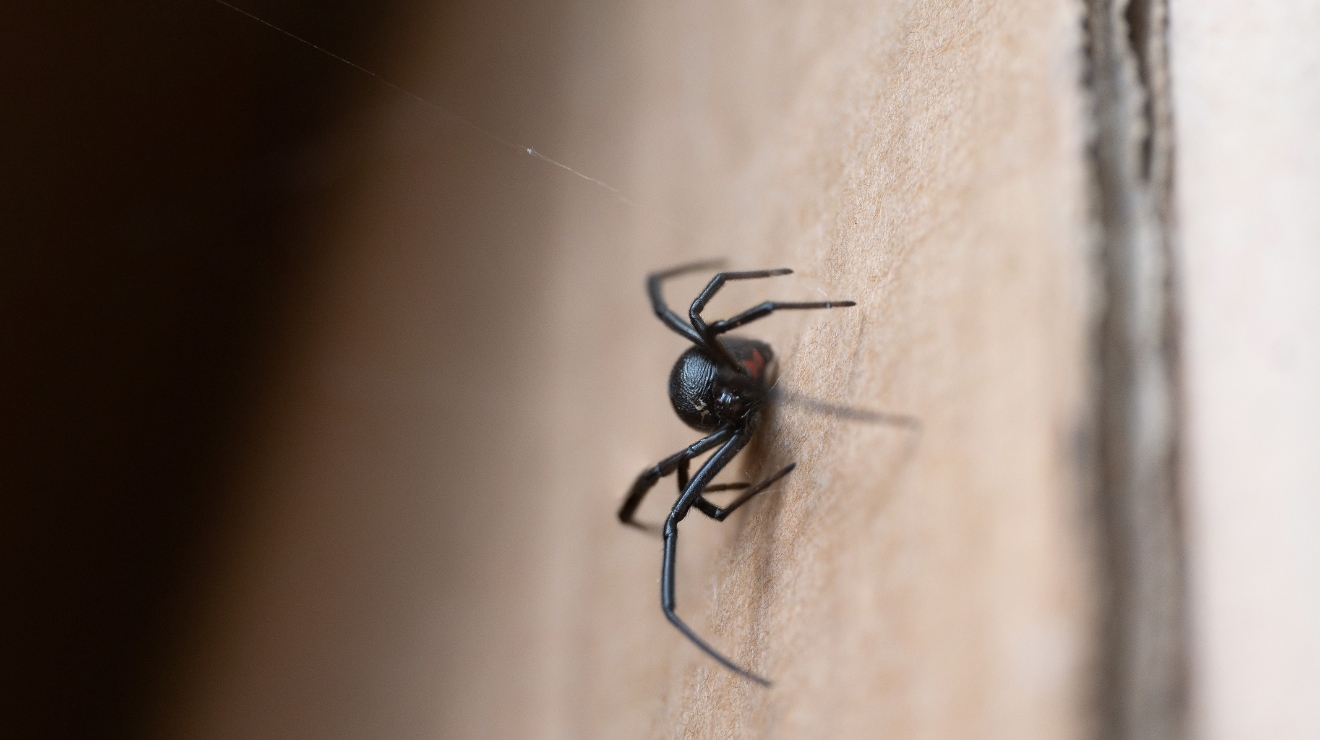
Spiders may become easier to notice inside Temecula homes during fall as nights cool, outdoor insect patterns change, and sheltered indoor spaces offer steady conditions. Some spiders enter through gaps, while others have lived quietly in garages, attics, or wall voids and become visible when they move to new hunting or nesting locations. Bug Freedom Pest Control provides spider control in Temecula for homeowners who are finding webs, egg sacs, or repeated spider activity around living areas and entry points.
Fall Changes Where Spiders Find Food
Spiders follow prey. When insects gather near porch lights, exterior doors, windows, irrigated landscaping, or protected corners, spiders often establish webs nearby. Cooler nights can change where those insects rest and travel. A web that was active in shrubs during summer may shift toward an eave, garage opening, patio cover, or window frame where flying insects remain available.
Indoor light also draws insects toward small gaps around doors and windows. A spider can take advantage of the same opening or settle just outside it. Once prey is available near the structure, exterior walls and rooflines become productive hunting areas. This pattern helps explain why a homeowner may see several webs near one side of the house without having spiders throughout every room.
Indoor Shelter Becomes More Appealing
Temecula fall days can remain warm while overnight temperatures fall. Garages, storage rooms, attics, closets, and wall voids offer fewer temperature swings than exposed outdoor areas. These quiet spaces also protect spiders from wind, rain, cleanup, and predators.
Many indoor encounters happen along edges where spiders naturally travel: baseboards, ceiling corners, shelving, stored boxes, and the junction between a wall and floor. Spiders do not need to enter through the room where you find them. One can move from a garage, attic, utility opening, or gap around plumbing before appearing in a bathroom, bedroom, or hallway.
Common Access Areas Around a Temecula Home
A spider can use an opening that is easy to miss during an ordinary walk around the property. Focus first on places where the building envelope changes or where doors and utilities cross it:
- Worn weatherstripping or visible light beneath an exterior door
- Gaps along the sides and corners of a garage door
- Torn window screens or loose screen frames
- Openings around pipes, cables, vents, and utility lines
- Cracks at the foundation, siding, trim, or roofline
- Items carried indoors from sheds, patios, or storage areas
A possible opening is one clue among several. The pattern of webs, sightings, prey insects, and exterior conditions provides better guidance than one gap by itself. A professional inspection can connect those clues and identify the areas that require practical attention without sealing ventilation or drainage features that need to remain open.
Web-Building and Wandering Spiders Look Different Indoors
Web-building spiders often stay close to a productive corner. Their webs may appear near windows, ceiling edges, light fixtures, garage rafters, patio doors, or exterior eaves. Repeated webs in the same location usually indicate that insects continue to pass through the area, even when the original spider has been removed.
Wandering spiders hunt without relying on a capture web. You may find one crossing a floor, resting in a shoe, hiding beneath an item in the garage, or moving along a wall at night. A single wandering spider can be accidental. Frequent sightings in several rooms call for a closer look at access points, stored materials, and insect activity.
Exterior Conditions Can Support Repeated Sightings
Densely planted shrubs against the wall, stacked firewood, storage bins, leaf litter, and clutter near the foundation create protected hiding places. Irrigation and landscape lighting can also support insects that spiders hunt. Moving stored materials away from exterior walls and trimming plants to leave inspection space can make those areas less sheltered.
Outdoor lighting choices can change where insects collect. Keep fixtures in good condition, close doors promptly, and consider whether bright lights are positioned directly beside frequently used entrances. You do not need to eliminate every outdoor insect or spider. The goal is to reduce the concentrated conditions that repeatedly bring them close to doors, windows, patios, and garages.
What You Can Do Inside
Vacuum accessible webs, spiders, and egg sacs, then empty the vacuum outside. Reduce floor-level clutter and avoid leaving clothing, towels, or shoes undisturbed in garages and storage rooms. Inspect seasonal decorations and stored boxes before carrying them into living spaces.
Continue normal cleaning along baseboards and behind furniture, but avoid relying on repeated indoor spraying without understanding where the spiders originate. A spider problem often improves when exterior harborage, prey insects, access gaps, and web-building sites are addressed together. Bug Freedom’s Temecula pest control services can evaluate the broader property conditions that may be contributing to indoor sightings.
Why Spider Sightings May Increase After Cleanup
Homeowners sometimes remove several webs and then conclude that spiders suddenly multiplied when new webbing appears a day or two later. A productive corner can attract another spider when insects continue passing through it. Egg sacs that were missed beneath trim or stored items can also contribute to later activity.
Use repeat sightings as location data. Mark the rooms or exterior areas where webs return and compare them with lights, moisture, door gaps, or insect activity. This pattern helps separate a single wandering spider from conditions that support ongoing activity around one side of the home.
Seasonal Storage Can Carry Spiders Indoors
Fall often brings decorations, heaters, sports equipment, and other stored items back into use. Containers kept in garages, sheds, or patios may have spiders or egg sacs along handles, lids, and undersides. Inspect each item in a bright area before carrying it through the house.
Rigid bins with fitted lids offer fewer hiding places than torn cardboard. Keep containers off the floor and leave space around shelving for cleaning. These storage changes also make droppings, shed skins, and other pest signs easier to notice early.
When Repeated Spider Activity Needs Professional Attention
One spider near an open door may not indicate an established indoor problem. Several spiders, new webs after repeated removal, egg sacs, or activity in bedrooms and frequently used rooms present a different pattern. Keep track of where and when you see them. Photos can also help with identification when the spider can be photographed safely from a distance.
Bug Freedom Pest Control looks at web locations, likely entry areas, exterior hiding places, and the insects that support spider activity. Our service may include accessible web removal and targeted treatment of important zones around the home. If spiders are becoming a regular fall problem, request a pest control quote from Bug Freedom so our team can inspect your Temecula property and recommend a practical plan.